- 181 S Franklin Ave, Valley Stream, NY 11581, United States


AllPoints Unlimited
AllPoints Unlimited Inc. is a U.S.-based freight forwarder and logistics provider with over 25 years of experience. We help businesses move cargo efficiently, compliantly, and on time — across the U.S. and around the world.





U.S. Customs Forms
What is this for?
Used to administratively contest a decision made by U.S. Customs and Border Protection (CBP) regarding imported merchandise. This is the primary method for an importer to challenge decisions like duty assessments, classification, or valuation. Protests generally must be filed within 180 days of the date of liquidation.

What is this for?
Filed to formally admit merchandise into a Foreign-Trade Zone (FTZ) and designate its customs status upon admission. The status assigned (e.g., privileged foreign, non-privileged foreign, or zone-restricted) determines the future duty liability and privileges of the merchandise within the zone

What is this for?
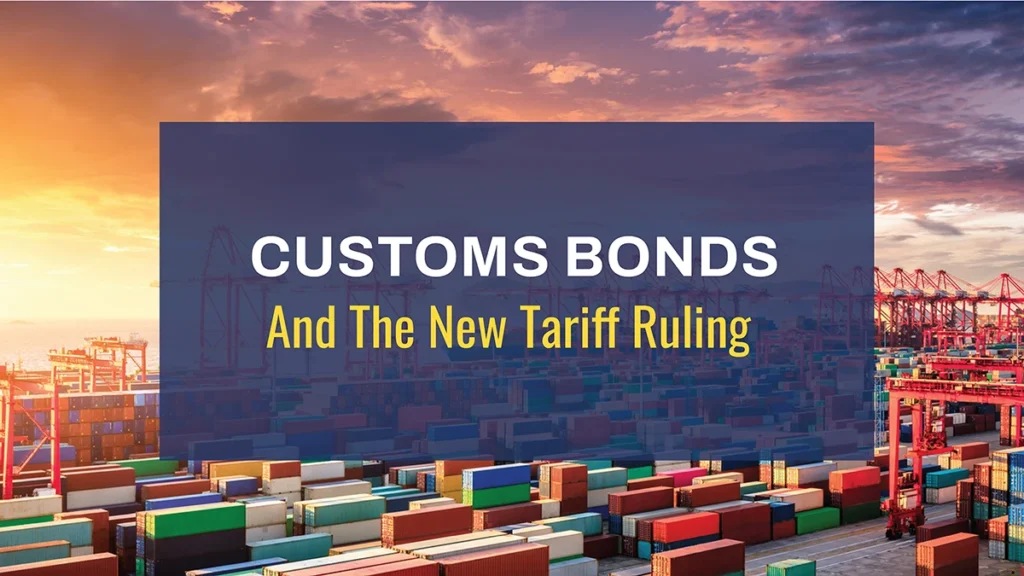
A contract guaranteeing the payment of duties, taxes, and penalties, as well as compliance with all CBP laws and regulations for a specific transaction or over a period of time. Required for most import activities, including entry, transportation, and operation of a bonded warehouse or foreign-trade zone.
What is this for?
The application used to enroll in the Automated Clearing House (ACH) program, which allows for electronic payment of import duties, taxes, and fees directly from a U.S. bank account. ACH participants can pay by credit (CBP debits their account) or debit (importer initiates the payment).

What is this for?
Used to certify that goods exported between the United States, Canada, and Mexico qualify for preferential tariff (duty-free or reduced-duty) treatment under the terms of the USMCA (formerly NAFTA). Although largely replaced by the USMCA certification process, this form may still be used for legacy shipments or as a basis for a claim under the new agreement.
What is this for?
Declares articles such as fuel, provisions, and supplies that are intended to be retained aboard a vessel or aircraft upon its arrival in the United States from a foreign port. This form allows goods that will be consumed on the international carrier to be entered duty-free. Note: CBP is moving to a new digital system, VECS, which may replace this paper form.

What is this for?
Filed by an importer to request an extension of the bond period for goods that were temporarily imported under a Temporary Importation Bond (TIB). This allows the goods to remain in the U.S. beyond the standard one-year period, provided they have not yet been exported or destroyed.
What is this for?
Specifically, this form is the "Insular Possession Certificate of Origin," used to claim duty-free treatment for goods imported from U.S. insular possessions such as Guam, American Samoa, and the U.S. Virgin Islands. It verifies that the goods are a product of or have undergone a substantial transformation within those territories.

What is this for?
Used primarily by non-residents and returning residents to claim duty-free entry for personal and household effects that are shipped separately (unaccompanied) from their arrival in the U.S. The form declares the items are for personal use, not for sale, and helps CBP determine if they are eligible for duty-free entry under regulations.

What is this for?
Claims duty-free entry for U.S.-origin products that were exported and are now being returned without having been advanced in value or improved in condition while abroad. This includes goods exported for repair or alteration and then returned, or goods that were rejected or returned as unsold.

What is this for?
An application to request CBP permission to conduct operations on merchandise while it is under CBP custody in a bonded warehouse or similar facility. Permitted operations include manipulation (sorting, repacking), examining, sampling, or transferring goods within the same port.
What is this for?
The primary document that provides CBP with all the commercial data needed to assess duties, collect taxes, and determine if all legal requirements have been met for imported merchandise. The Entry Summary must be filed, and estimated duties paid, within 10 working days after the merchandise is released from CBP. It is required for most formal entries.

What is this for?
A dual-purpose form used to move merchandise under bond. An "in-bond" shipment is one that is moving from one port to another for export or further processing without immediately paying duties. It serves as the transportation entry, documenting the movement of the goods, and the manifest, listing the cargo.

What is this for?
The formal claim document used to request a refund (drawback) of 99% of the duties, taxes, and fees paid on imported merchandise that is later exported or destroyed in the U.S. It can be used for direct exportation of unused merchandise or for manufactured goods that incorporate the imported materials.

What is this for?
A required notice that must be filed with CBP before any merchandise (imported or manufactured) is exported or destroyed as part of a drawback claim. It notifies CBP of the specific merchandise, the intended action, and the proposed method of export or destruction, allowing them the opportunity to examine the goods.
Reliable Global Freight & Logistics Solutions
Get a Quote