- 181 S Franklin Ave, Valley Stream, NY 11581, United States


AllPoints Unlimited
AllPoints Unlimited Inc. is a U.S.-based freight forwarder and logistics provider with over 25 years of experience. We help businesses move cargo efficiently, compliantly, and on time — across the U.S. and around the world.
Port Drayage Explained: What Every Importer Needs to Know
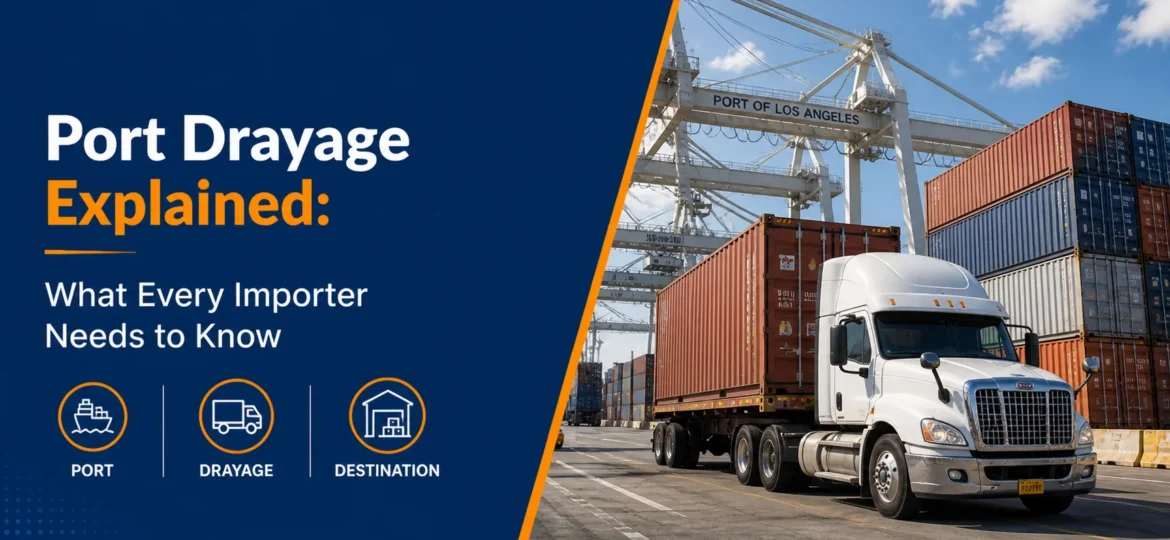
If you’ve ever imported goods through a U.S. seaport, you’ve dealt with drayage — even if you didn’t know it by name. Port drayage is the short-distance movement of cargo containers from the port terminal to a warehouse, distribution center, or rail yard. It’s the first mile of your domestic supply chain, and it’s one of the most complex.
When drayage goes wrong, everything downstream gets disrupted — delayed deliveries, unexpected storage fees, missed last free days, and unhappy customers. When it goes right, it’s invisible. This guide breaks down what port drayage actually involves, what causes delays, and what to look for in a drayage provider.
What Is Port Drayage?
Drayage refers to the transportation of cargo over a short distance — typically the movement of ocean freight containers from the port of arrival to a nearby facility. Despite the short distance, it’s one of the most logistically complex parts of the import process.
At a U.S. port, after your container is offloaded from the vessel and cleared through customs, it sits in the terminal until a licensed dray carrier picks it up. The carrier transports it to your designated location — a warehouse, a distribution center, or a rail ramp for onward movement — and then returns the empty container to the terminal or depot.
Simple in theory. In practice, drayage involves coordinating between the steamship line, the port terminal, your customs broker, and your warehouse — all while tracking last free days and avoiding demurrage and detention charges.
Last Free Day: The Clock You Can’t Ignore
Every ocean shipment comes with a last free day — the deadline set by the steamship line for picking up your container from the terminal before storage charges begin. Miss it, and you start accumulating demurrage fees that can add up to hundreds of dollars per day, per container.
Managing last free days is one of the most critical functions of a good drayage partner. Your provider should be monitoring container availability, scheduling pickup as early as possible, and communicating proactively if anything is at risk of delay — customs holds, terminal congestion, or driver shortages.
Types of Drayage Moves
Not all drayage is the same. Depending on your supply chain setup, you may encounter several different types of moves:
• Port-to-warehouse drayage — The most common type. Container moves from the port terminal to your warehouse or distribution center.
• Port-to-rail (intermodal) — Container is drayed to a nearby rail ramp for long-distance movement by train, often more cost-effective than trucking for cross-country shipments.
• Bonded drayage — Container moves under CBP bond, typically to a bonded warehouse or foreign trade zone. Required when goods have not yet cleared customs.
• Transload drayage — Container is moved to a facility where cargo is transferred from an ocean container into domestic trailers for final distribution.
What Causes Drayage Delays — and How to Avoid Them
Port congestion, equipment shortages, and customs holds are the most common causes of drayage delays. Here’s what you can do to reduce your exposure:
• Work with a drayage provider who monitors container availability daily and books appointments as soon as possible after vessel arrival.
• Ensure your customs entry is filed and approved before the vessel arrives, not after. Pre-clearance eliminates one of the biggest sources of delay.
• Choose a provider with established relationships at the terminals you use most frequently. Terminal appointment systems are competitive, and experienced carriers get earlier slots.
• Keep your last free day visible and shared with your logistics team. Surprises are expensive.
Rail and Intermodal Drayage
For importers moving goods long distances across the U.S., intermodal transport — combining ocean containers with rail — is often more cost-effective than over-the-road trucking. Drayage is the link that makes intermodal work: your container is moved from the port to a rail ramp, loaded onto a train, and then drayed again from the destination ramp to your final delivery point.
Intermodal can cut transportation costs significantly on routes like Los Angeles to Chicago or New York to Dallas, but it requires precise drayage coordination at both ends. Transit times are longer, so planning is essential.
Choosing the Right Drayage Partner
Your drayage provider is not just a truck driver. They are a logistics coordinator managing your container through one of the most congested and time-sensitive parts of the supply chain. Look for a provider who offers proactive communication, terminal-specific experience, strong carrier relationships, and the ability to handle bonded and intermodal moves.
At AllPoints Unlimited Inc., our inland transportation team handles port and rail drayage across major U.S. ports. We monitor last free days, coordinate terminal appointments, and manage container returns so you never get caught with unexpected charges. Whether your shipment needs to go to a bonded warehouse, a distribution center, or a rail ramp for onward movement, we handle the coordination from start to finish.
Reach out to AllPoints Unlimited to discuss your drayage needs and find out how we can keep your import operations running smoothly.

Leave A Comment